
How the Tinned Fish Trend Is Redefining Modern Luxury and Consumer Taste
September 18, 2026 | 9 minute read
Written by Arti Jalan
Something is happening with fish.
Sardines have gone from humble pantry staple to coveted delicacy. Beautiful tins of anchovies and mackerel are being collected, gifted, displayed on dinner tables, and served alongside wine. Meanwhile, fishing, a hobby once associated with retirees and the occasional dad on a dock, is having a renaissance of its own. Younger generations are picking up rods, booking fishing trips, and seeking experiences that get them out on the water. And amidst it all, fisherman has become a fashion reference in the last few years, where wool sweaters and bucket hats are suddenly cool.
On their own, these things seem like separate trends, but linking them together made me realize that it isn’t fish itself that’s trending, rather what fish represents. Sardine Girl Summer is less about omegas and protein, and more about how consumer tastes are changing around what is considered luxurious.
Essentially, tinned fish has become cultural shorthand for where luxury is moving, and what the emerging codes of it look like.
Pattern-Sensing: Following the Breadcrumbs
My pattern noticing practice went something like this:
2023 – While looking to rebrand, I came across Scout and their playful packaging. I remember mentally bookmarking them partly because they’re a Canadian brand.
2024 – The year the iconic metallic fish handbag seemed to be everywhere on Pinterest.
2025 – Fishermancore was named one of the year’s style aesthetics. Around the same time, I remember clocking tinned seafood while watching The Residence (a must-watch, btw).
2026 – Tinned fish (#sardinemaxxing) started taking over social media, while fishing as a recreational hobby surged in popularity. I’ve also started noticing hospitality and tourism moving in the same direction, with fishing lodges and guided fishing retreats popping up in more places.
And then, the signal that finally made me stop and ask what fish was trying to communicate to me, was just a few weeks ago when I went to see a film at TIFF. In the opening credits, Fresh Fish Films flashed across the screen - the film’s production company, founded in 2021, with none other than a tin of fish as its logo.
That last nudge was enough to make me finally research what I’d been noticing in the periphery for the past three years, and the insights have been fascinating, and perhaps unsurprisingly, closely aligned with the themes we identified in our 2026 Trend Report.
Pattern-sensing at Forage works less like traditional forecasting. We’re less interested in what the next trend is, and more interested in why something is trending, and what the emotion underneath it is trying to communicate. For us, it’s rarely one big signal that tells us what is changing. It’s the accumulation of seemingly unrelated ones appearing across different corners of culture, until eventually we realize they’re pointing in the same direction.
The trend is simply the visible expression; what interests us is the invisible need beneath it.
Let’s get into it.
1. First, We Ate the Fish
Somewhere in the last six-ish years, tinned fish has undergone a remarkable rebrand, from pantry staple to lifestyle object. Part of its resurgence can be linked to the re-enchantment of traditional, old, and imperfect foods, alongside the functional and anti-ultra-processed food movements. However, the rise of beautiful, design-forward conservas brands – Scout, Fishwife, and a growing crop of indie varieties that seem to transport you straight to a seaside village in Portugal – alchemized what was once considered an inexpensive snack into something that felt approachably elevated. And that feels very of-the-moment, where we’re looking for small luxuries over enormous expenditure, old-word refinement without the stuffiness, and the curious tension between frugality and indulgence.
Which is where seacuterie comes in (conservas paired with wine, crackers, olives, cheese). That tin of Galician razor clams has become a status symbol, not because it’s expensive, but because it represents a hyper-specific terroir, cultural literacy, and an unmanufactured moment.
Instead of just the act of buying fish, the object itself has become a cultural signifier, where it communicates provenance, discovery, taste, and a sense of relaxed luxury.
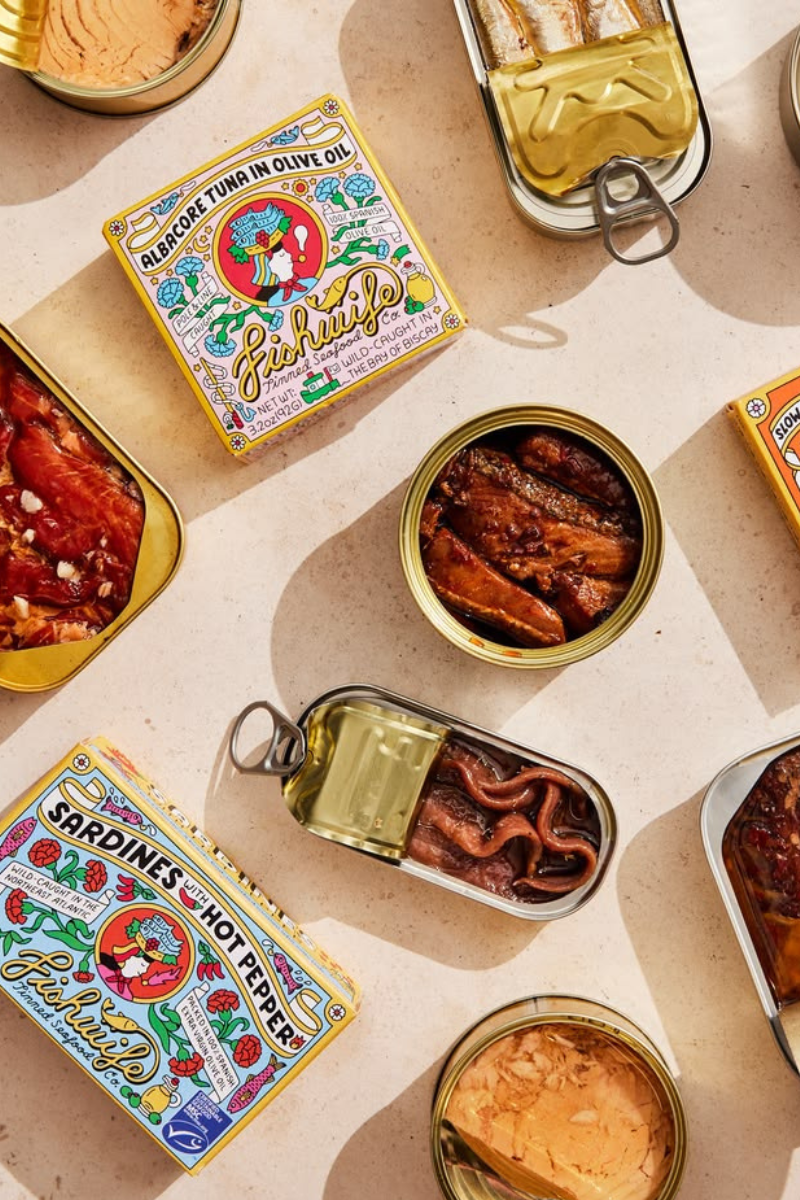
Photo by holl & artists
2. Then, We Started Catching It
Recreational fishing has been rapidly growing as a leisure activity, most surprisingly among younger people. In recent reports, fishing has hit an all-time high, with almost 60 million Americans participating. What’s particularly interesting is that the growth transcends traditional angling demographics, with women, Black and Hispanic communities, and youth (ages 6-17) all increasingly participating. And though this may seem surprising, it aligns with so many of our current desires – time spent outdoors and in nature, tangibility and less screentime, and above all, simplicity. In a world of too much information, instant generative answers, and an onslaught of constant content, patience and sitting in stillness feel like the perfect antidotes to digital and algorithmic distraction. There’s also something appealing about learning rather than just consuming, alongside the social element of communities and clubs, and the shared intergenerational sense of connection it provides.
3. Then, We Started Wearing It
Though Fishermancore was one of 2025’s biggest fashion trends, the aesthetic is still here – fisherman sweaters, barn jackets, boat shoes, waxed coats, and everything in between. What’s interesting is that there is a distinction here between nautical and maritime. Nautical feels more polished and aspirational (crisp stripes, yacht culture), whereas maritime is more weathered, with an appeal around know-how, craft, and texture. With fish making its way into fashion, it feels like we’re romanticizing not just the look of the fisherman, but what he represents – physical skill, seasonality, self-sufficiency, relationship to nature and place. The fisherman fantasy is almost the inverse of the tech-bro fantasy, where surrender replaces optimization. And this is where that shift in luxury comes in.
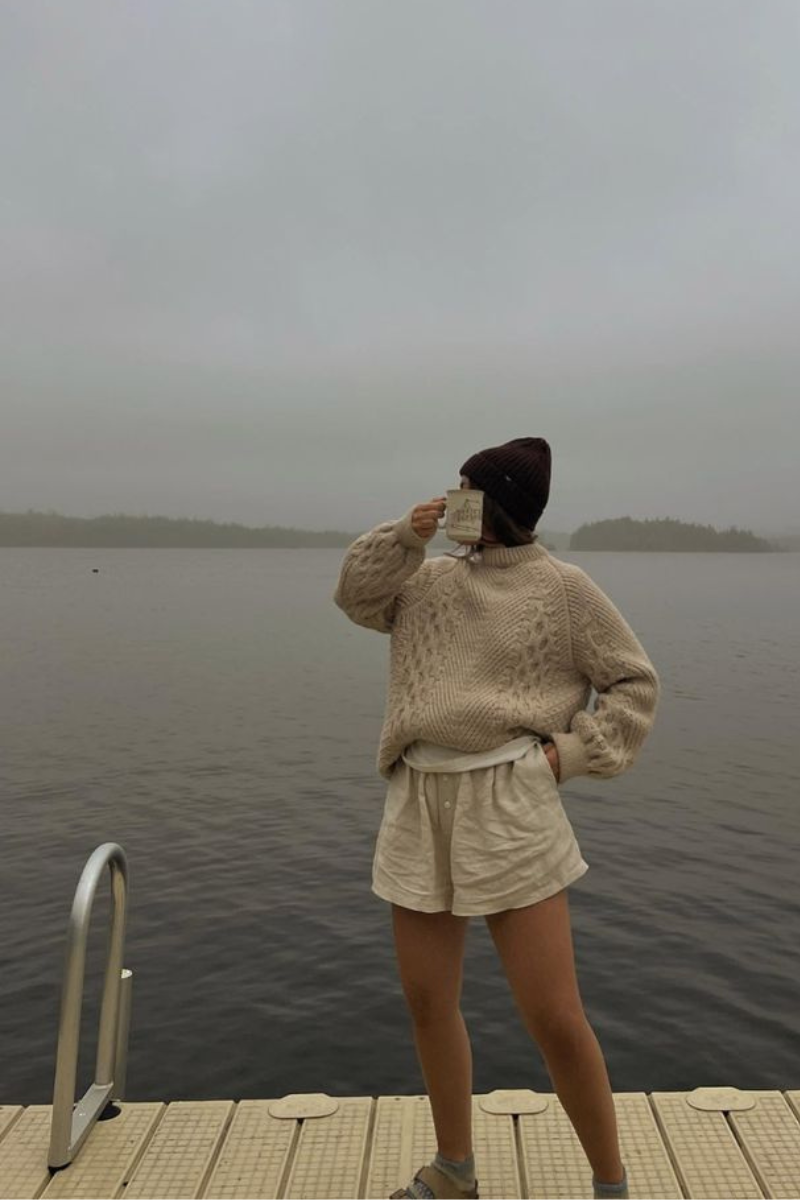
photo by @jodirobicheau4. The Emerging Codes of Luxury
Here’s where things get really interesting.
As we explored in our 2026 Trend Report, luxury is being redefined. Where it once implied being insulated from inconvenience, friction, and the messiness of everyday life, it’s now moving in the opposite direction, towards the things technology can’t give us – grit, texture, effort, sensation, surprise. We’re no longer necessarily seeking an escape from reality, but rather a move towards it.
At a time when almost anything can be reproduced at speed, value is shifting towards what cannot be replicated.
A traditional, copy-paste luxury travel experience might look like champagne, a $400 tasting menu, white linen, and a sommelier, whereas the emerging version looks more like a tiny seaside restaurant with flaking paint, a $20 tin of anchovies, crusty bread, and a fisherman telling you where the fish was caught. The second experience may cost less, but it can feel more luxurious because there is something there that is difficult to manufacture – emotional and cultural resonance, and an irreproducible sensory anchor. Essentially, we’re becoming increasingly interested in what luxury feels like, rather than the performance of it.
This is where Gen Z offers an interesting lens into this much broader cultural shift. They’re not only driving the tinned fish trend, but they’re a generation that is actively changing what luxury is. Their relationship with luxury seems incredibly shaped by a desire to de-formalize it, where it feels more like an invitation rather than an etiquette exam.
And after watching luxury be relentlessly performed on social media – influencers toting designer bags, attending exclusive events, staying at the most recognizable hotels – some of these signals are beginning to feel less like genuine markers of a life well lived, and more like a prescribed uniform for having “good taste” (it’s giving chasing luxury vs actual luxury). The emerging luxury consumer still wants special, but they want it to feel relaxed, discovered, unpretentious, and real.
Which brings us back to the unassuming tin of fish.
It shows us that the most compelling experiences are becoming the ones that cannot be easily staged or scripted because they depend on specificity. This place, this person, this moment, this story, this culture.
This “anti-luxury luxury” also gives us something traditional luxury doesn’t often make space for – the permission to be playful, where life isn’t taken too seriously. The retro-modern packaging, bright colours, and maximalist designs of these contemporary tins communicate in perfect visual shorthand where culture is moving – away from sterile perfection, towards authentic texture.
And this distinction is not only wonderfully refreshing, but opens up a huge opportunity for hospitality brands.
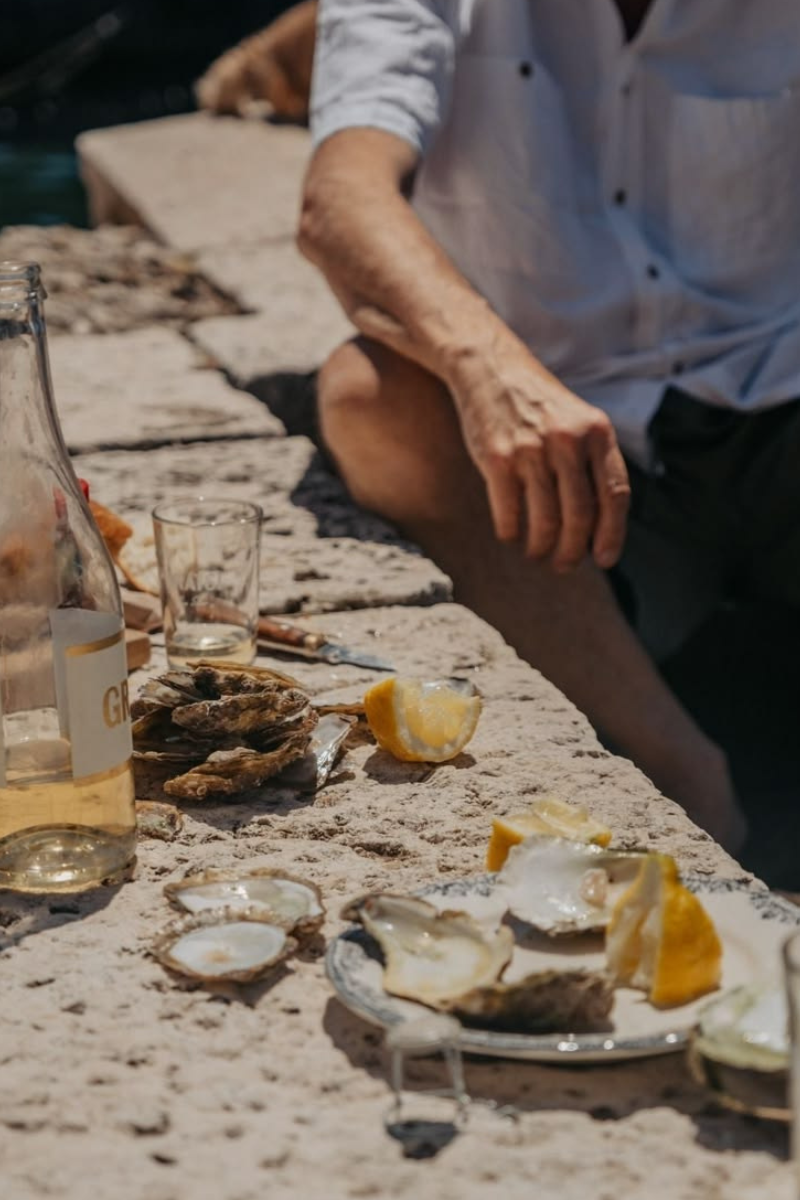
photo by gratsi
The Hospitality Opportunity
The opportunity isn’t necessarily to put more fish on the menu, but to rethink what we mean by luxury in the first place.
Instead of offering more of the same - luxury amenities, expensive restaurants, generic excursions, and “local experiences” that feel packaged and rehearsed, what if hotels offered access to site-specific knowledge instead?
Fishing is almost the perfect antidote to conventional luxury. It’s slow, physical, messy, social, and place-specific. Imagine a hotel saying that tomorrow morning, they’re taking 6 guests out at 5:30 am with a local fisherman. The instructions are simply to meet Joāo at the harbour at 5:15 am and to bring a sweater. You go out on a little boat, you spend a quiet morning chatting with new people and waiting for the fish to bite, you return to shore, and the hotel chef cooks your catch for lunch. This is luxury that isn’t performed, where it’s rich in meaning, emotion, heritage, and place, and that is something that is very much unreproducible.
Going back to our 2026 Trend Report, experiences like this embody that concept of earned luxury, where participating in something rather than just having it done for you creates emotional memory.
At its core, this new luxury offers access to a world that money alone can’t buy, where value is found in proximity to local knowledge, hyper-specific experiences, and a place and its people.
Hotels are already responding to the fishing trend by adding conservas to wine bar menus and offering angling lessons. But the bigger opportunity isn’t to replicate the trend itself, but to understand what the trend is telling us, and then design from there.
That might mean you need to:
Unearth Local Heritage: Start by first understanding your local heritage and fishing culture. If you’re an inland boutique hotel, perhaps don’t jump on the fish trend itself. Focus instead on what it conveys - simple, site-specific pleasures, and access to unique experiences that can only be found there.
Elevate Local Guides: Offer fishing experiences with a local who becomes a cultural host, where guests learn not only how to fish, but how to clean and prepare the catch.
Showcase Regional Terroir: Host regionally-curated conservas tastings.
Rethink In-Room Amenities: Offer a hotel pantry or minibar featuring local preserved foods.
De-Formalize Fine Dining: Create a chef-led “catch to table” experience using traditional cooking methods.
Ultimately the opportunity isn’t to make hospitality look more luxurious, but to make it feel more meaningful. And tinned fish just happens to be the breadcrumb leading us there.